Showing posts with label medicine. Show all posts

Tuesday, December 27, 2011

Shout Outs

Updated 3/2017-- photos and all links removed as many no longer active.


The Boerewors Emergency Medicine Chronicles has a great post which I think is worth your time:  On alzheimer's
…….....I think it is beautifully written and provides a real window into the difficulty of loving someone who has this disease.
“The thing with this sentence, this arrest of dementia, is that its greatest victims aren’t those who have it. That’s not to say that the diagnosis isn’t dreadful for the recipient, but there is a peculiar and particular hammering sadness for those that love and care for an Alzheimer’s spouse or parent.
It is a wearying and lonely obligation, but with the added cruelty that the person you’re looking after vanishes, escapes before your eyes. In the end, you’re caring for the case that someone came in………”
………………………………….
Check out this post from @JordanGrumet who blogs at In My Humble Opinion:  From Birth To Death
As luck would have it, she happened to die while I was in the room. I sat with her family as the last breath precariously left her lips. We waited for the next as if it was a forgone conclusion. It never came.
Walking toward the nursing station, my mind wandered back to medical school.
*
I tentatively followed behind the resident as we entered the birthing room. ………….
……………………………..
Asystole is the Most Stable Rhythm  (@doctorblackbear) tells us The Real Reason, On CBC Today
When I am asked the reason I chose medicine, I almost never tell the truth. I feel a little protective of the real reason and how it might be perceived by others, so I usually reveal some of my less sentimental and more cerebral motivations for becoming a doctor.
But, when given the opportunity to create a small radio piece about my grandad and how he continues to medically inspire me, I happily got to work……..
……………………………
Check out DinoDoc’s menorah’s
First Night of Hanukkah
Second Night of Hanukkah
Third Night of Hanukkah
Fourth Night of Hanukkah
Fifth Night of Hanukkah
Sixth Night of Hanukkah
Seventh Night of Hanukkah 
………………………………..
Moda Bake Shop has provided instructions for a Puzzle Box Quilt 

Tuesday, November 29, 2011

Shout Outs

Updated 3/2017 -- photos/videos and all links removed (except to my own posts) as many no longer active.

Afternoon Nap Society is the host for this week’s Grand Rounds. You can read this week’s edition here.
………….This week, Grand Rounds is mine, and in selecting blog posts, I evaluated submissions based on their topicality, writing style, and personal appeal. What I look for in a blog as an ePatient may differ from what a physician or even another ePatient looks for; however, the goal of Grand Rounds is to foster dialogue, and more and more we are learning that in order for a healthcare dialogue to be truly effective, it must include the patient perspective. As a result, Sean Ahrens, an ePatient and software designer who is building Chronology, an online network on which patients with Crohn's and Colitis may connect and learn from one another, opens this week's session….….
…………………….…
In the current JAMA, a thoughtful commentary article by Traber Davis Giardina, MA, MSW and Hardeep Singh, MD, MPH:  Patient's direct access to test results - pros and cons. (subscription necessary for full access)
In the outpatient setting, between 8% and 26% of abnormal test results, including those suspicious for malignancy, are not followed up in a timely manner. Despite the use of electronic health records (EHRs) to facilitate communication of test results, follow-up remains a significant safety challenge. In an effort to mitigate delays, some systems have adopted a time-delayed direct notification of test results to patients (ie, releasing them after 3 to 7 days to allow physicians to review them).
On September 14, 2011, the Department of Health and Human Services jointly with the Centers for Medicare & Medicaid Services, the Centers for Disease Control and Prevention, and the Office for Civil Rights proposed a rule allowing patients to access test results directly from the laboratory by request (paper or electronic).  .……….
………………………………….
For those of you like me trying to follow the face transplant recipients and procedures progress, CBC News recently had an update on one of them:  Conn. woman mauled by chimp praised for new face
…….."I've had people tell me I'm beautiful," Nash said in the interview that aired Monday. "And they were not telling me I was beautiful before."
Nash said she was cheered by a simple "hello" from a child while she was shopping recently.
"That didn't happen before," she said. "It was nice. The little girl was saying 'hi' to me. ... I'm not scaring anybody." ……
…………………………………
This article from Science Daily caught my eye and I look forward to when it might be possible in humans:  Cleft Lip Corrected Genetically in Mouse Model
Scientists at Weill Cornell Medical College used genetic methods to successfully repair cleft lips in mice embryos specially engineered for the study of cleft lip and cleft palate. The research breakthrough may show the way to prevent or treat the conditions in humans. ...…….
……………………………….
H/T to @medicallessons for this tweet “Is a Ban on Drinking Water Hours Before Surgery Necessary? (maybe not) -- ttp://nyti.ms/uTAQgl”  The link is to a New York Times Q & A article by C. Claiborne Ray:  Cool, Clear Water
Q. Is it really necessary to prevent patients from drinking water for many hours before surgery?
A. The well-known rule that a preoperative patient should have “nothing by mouth after midnight” was not based on scientific evidence, and many medical organizations now have more flexible guidelines. For example, American Society of Anesthesiologists guidelines generally permit clear liquids until two hours before surgery. .…….
Be sure you ask your surgeon and anesthesiologist what the rule is for you as the above is for healthy individuals.  It may vary depending on your set of health problems and the surgery you are scheduled to have.
……………………………….
I love watching my dog shake water off. 
H/T to @DrVes for the link to this NPR story by Robert Krulwich:  Shake It! How Dogs, Cats, Even Hummingbirds Keep Dry (photos, including the one below, and video)
…………………………………
The Alliance for American Quilts received 119 quilts for it’s 2011 "Alliances: People, Patterns, Passion" contest.   You can see all the quilts here. My entry was “Redwork Quilt” and is included in this week’s (Week Two --Mon, Nov. 21- Mon, Nov. 28) quilts being auctioned off on eBay.
All contest quilts will be auctioned via eBay starting on Monday, November 14, 2011 and ending December 12, 2011. All proceeds will support the AAQ and its projects. ….
Week THREE auction guide: Monday, November 28 - Monday, December 5  ……
New this year: "Alliances" contest artist's were offered the chance to record their artist's statements thanks to the generous services of AAQ Business member, VoiceQuilt, visit them at www.voicequilt.com.

Monday, November 14, 2011

Safe Medical Waste Disposal

Updated 3/2017 -- all links removed (except to my own posts) as many no longer active.

All medical offices must dispose of medical waste in a safe manner.  I closed my office at the end of September, but my last medical waste pickup is the first Friday of December.  My dear husband is going to open the office and wait for them.
How have you told patients over the years to deal with their medical waste?  Needles?  Syringes?  JP drains they pull out or that fall out before they get back for follow up? 
Last week the FDA sent out a press release announcing the launch a new website for patients and caregivers on the safe disposal of needles and other so-called “sharps” that are used at home, at work and while traveling.
…….Sharps disposal guidelines and programs vary by jurisdiction. For example, in 2008, California passed legislation banning throwing needles in household trash. Florida, New Jersey and New York have established community drop off programs at hospitals and other health care facilities. People using sharps at home or work or while traveling should check with their local trash removal services or health department to find out about disposal methods available in their area.
For the safe disposal of needles and other sharps used outside of the health care setting, the FDA recommends the following:
DO:
  • Immediately place used sharps in an FDA-cleared sharps disposal container to reduce the risk of needle-sticks, cuts or punctures from loose sharps. (A list of products and companies with FDA-cleared sharps disposal containers is available on the FDA website. Although the products on the list have received FDA clearance, all products may not be currently available on the market.)    
  • If an FDA-cleared container is not available, some associations and community guidelines recommend using a heavy-duty plastic household container as an alternative. The container should be leak-resistant, remain upright during use and have a tight fitting, puncture-resistant lid, such as a plastic laundry detergent container.
  • Keep sharps and sharps disposal containers out of reach of children and pets.
  • Call your local trash or public health department in your phone book to find out about sharps disposal programs in your area. 
  • Follow your community guidelines for getting rid of your sharps disposal container.
DO NOT:
  • Throw loose sharps into the trash.
  • Flush sharps down the toilet.
  • Put sharps in a recycling bin; they are not recyclable.
  • Try to remove, bend, break or recap sharps used by another person.
  • Attempt to remove a needle without a needle clipper device.
 
For more information:
  • Needles and Other Sharps (Safe Disposal Outside of Health Care Settings)
  • Improperly Discarded ‘Sharps’ Can Be Dangerous – Consumer Update
  • Sharps Flickr Slideshow

Tuesday, October 18, 2011

Shout Outs

Updated 3/2017 -- photos and all links removed as many no longer active.

Dr. Sumer, Sumer's Radiology Site, is the host for this week’s Grand Rounds. You can read this week’s edition here.
For people who are new to this concept "Grand Rounds is a weekly summary of the best health blog posts on the Internet. Each week a different blogger takes turns hosting Grand Rounds, and summarizing the best submissions for the week. The schedule for Grand Rounds is available at the Better Health Blog and at Blogborygmi.com. Both Dr. Val Jones and Dr. Nick Genes coordinate the schedule for Grand Rounds.” For people who are new to this concept "Grand Rounds is a weekly summary of the best health blog posts on the Internet. Each week a different blogger takes turns hosting Grand Rounds, and summarizing the best submissions for the week. The schedule for Grand Rounds is available at the Better Health Blog and at Blogborygmi.com. Both Dr. Val Jones and Dr. Nick Genes coordinate the schedule for Grand Rounds.” .............
My suggestion- we should all share each edition of grand rounds on our facebook pages as well as our blogs for more viewership. My thanks to all those who submitted to this edition and Grand Rounds Surely Rock. ………….
…………………….…
H/T to @SeattleMamaDoc for tweeting about this NY Times Health article: Well Blog: Doctor and Patient: From Needle Stick to Hepatitis Cure
As doctors-in-training in the early 1990s, my friends and I became obsessed with the question of what we would do if we were pricked with an infected needle at work. We all had witnessed the inexorable, often painful march toward death of patients with hepatitis C and AIDS. We imagined the despair we would feel in that situation: the dashed hopes, the lost years of schooling and training. Many of us saw ourselves walking out of the hospital and not looking back. We couldn’t imagine throwing ourselves back into the fray.
We had not met Dr. Douglas Dieterich. …..
………………………………….
I agree with @jordangrumet who tweeted: Bummer! on.wsj.com/ra3DTa The Vocal Cord Injury Affecting Adele
The Grammy-winning singer Adele has canceled a series of U.S. tour dates due to a vocal-cord hemorrhage.
As she wrote on her blog this week, she was first diagnosed with a hemorrhage in May, then rested and recovered. But recently, she was diagnosed with another hemorrhage. “My voice yet again went … it just switched off,” she wrote.
That sort of “instantaneous hoarseness” is typical of hemorrhages of the vocal cords, which are also called vocal folds, says Kenneth Altman, an associate professor of otolaryngology at the Mount Sinai School of Medicine. …..
………………………………………….
H/T to @doc_rob for the link to this “Great video about depression.” If you have depression, please, get help.


………………………………………….
This Reuters new articles reminds us that “Many cancer survivors struggle with trauma stress: study”
A cancer diagnosis can leave lasting psychological scars akin to those inflicted by war, with the impact in some cases lasting for years, U.S. researchers found in a study.
More than a decade after being told they had the disease, nearly four out of 10 cancer survivors said they were still plagued by symptoms of post-traumatic stress disorder, or PTSD ……………SOURCE: bit.ly/n1pJMg
……………………………….
H/T to @GregSmithMD for the link to this “Beautiful post about things that heal.” -- Stop And Smell The Roses
Even though the title is cliche and many of us hear it from time to time, I am going to guess that the majority of us don't actually do it. I know I don't or at least I haven't in the past. ……….
………………………………………..
From @Berci. --- Picture of the Month: Left brain-right brain (photo credit)
This is one of the best pictures I’ve ever seen. I’m almost totally a left brain… What about you?

……………………………….
Some of my nephew-in-law @eleonfreeman’s paintings will be included in the upcoming art exhibit at the Boswell-Mourot in Miami. Exhibit opening is November 5, 2011.
Including this lovely one: Treasure Reef" by Eric Leon Freeman (2011) Oil on Linen, 48" x 72"

Tuesday, October 4, 2011

Shout Outs

 Updated 3/2017-- photos and all links removed (except to my own posts) removed as many no longer active.

Colorado Health Insurance Insider is the host for this week’s Grand Rounds. You can read this week’s  edition here.
Welcome to the Fall Colors Grand Rounds!  We have several excellent articles from around the healthcare blogosphere for you this week.  Enjoy!
HealthBlawg’s David Harlow recently attended Health 2.0 in San Francisco and provides us with an excellent summary post about the conference. ………….
……………………………
The 2011 Charles Prize for Poetry Contest deadline for entries has passed.  Now while we await the announcement of the winners I hope you will enjoy reading the many wonderful entries.
…………………………
H/T to @DrMarkham for her new blog “eating despite cancer.”   The latest post is “i'm on chemo and food doesn't taste right...what can I do?”
The taste of foods often changes for people undergoing chemotherapy. This doesn’t happen to everyone receiving chemotherapy as part of cancer treatment, but it certainly happens to a lot. I’ve seen it happen as early as the first dose of chemotherapy, and it’s become my practice to warn people about this side effect. …….
We aren’t sure why this side effect happens, but there is medical literature to suggest that changes in both the sense of smell and the sense of taste occur with various chemotherapy drugs. The sense of smell is heavily tied into our sense of taste, so an alteration in either can really mess things up……..
The most important rule is to just keep trying. You’ll find something that will work. …..
………………………………..
H/T to @The_Radiologist  for this tweet:  Great R4 piece on antibiotic resistance by @Dr_Stuart was repeated last night. Sobering times ahead. bbc.co.uk/iplayer/episod… #medicine
The link will allow you to listen to the 30 minute program which is well worth the time.
………………………………
I love the idea of self-healing materials!  H/T to @krupali for the link to this BBC news article by Leila Battison:  Bio-inspired plastic self-heals
The development of self-healing materials has surged forward as scientists have taken inspiration from biological systems.
Researchers at the University of Illinois in the US have found a way to pump healing fluids around a material like the circulation of animal's blood.
Materials that could repair themselves as they crack would have uses in civil engineering and construction.  …….
……………………………..
Another great T-shirt!  This one with great advice:
  Available here.
………………………………………..
From WebMD:  Slideshow: Surprising Ways Smoking Affects Your Looks and Life (photo credit).  This is the first slide of the series.  Can you pick out the smoker? Make your pick and go check out the rest.
…………………………………
Threads Magazine website has a very nice video (wish I could embed it here, but can’t):  Teach Yourself to Sew 2: Two Great Seam Finishes.  One uses the product Seams Great, the other is the Hong Kong finish.  Burda Style has a nice tutorial on the Hong Kong Binding Seam Finish

Monday, October 3, 2011

Parents and Their Child’s Genital Ambiguity

Updated 3/2017-- all links removed (except to my own posts) removed as many no longer active. 

There is more information in the Science Daily news article than the journal article abstract (full access is not free):  Parents Feel Shock, Anxiety and the Need to Protect Children With Genital Ambiguity
Parents of babies born without clearly defined male or female genitals experience a roller-coaster of emotions, including shock, anxiety and the need to protect their child, according to a study in the October issue of the Journal of Advanced Nursing.  …….
I never had to walk a family through this as a practicing physician.  As a medical student, we had a patient which led to much discussion. 
Early surgical decisions raised strong emotions in some parents. Sian was anxious about whether she had done "the right thing," but Anne described a documentary that suggested that parents shouldn't be allowed to make decisions about genital surgery as "ridiculous."
I tend to agree with Anne.  Parents should be in on all the decisions being made.
Reconstructive genital surgery made it easier for some parents to protect and bond with their child. Medical evidence about whether the child was predominantly male or female, and how they looked, guided the parents' decisions when it came to surgery. But one mother who learnt that her child had both male and female internal organs described the news as a "double whammy."
It’s a tough diagnosis for families to have to deal with and ongoing support and care is important.  


REFERENCE
Searching for harmony: parents’ narratives about their child’s genital ambiguity and reconstructive genital surgeries in childhood; Caroline Sanders, Bernie Carter, Lynne Goodacre;  Journal of Advanced Nursing, 2011; 67 (10): 2220 DOI: 10.1111/j.1365-2648.2011.05617.x (abstract free, full article is not)

Tuesday, September 27, 2011

Shout Outs

Updated 3/2017-- photos and all links removed (except to my own posts) removed as many no longer active. 

ZDoggMD is the host for this week’s Grand Rounds. You can read this week’s Funny Medical Stuff  edition here.
We are in orbit around a remote County emergency department. My crew of young interns is greener than a vat of Vulcan hemoglobin, and being of the Millennial generation they insist on bringing their stuffed Tribbles to work with them. …..
n the midst of this galactic chaos, Starfleet Command has asked us to host the 8th anniversary edition of medical bloggers’ Grand Rounds. So the great medical bloggers from around the galaxy have kindly contributed their bits and bytes, included below with my own two cents thrown in. Thanks to longtime Borg plastic surgeon Dr. Ramona Bates for hosting the last Grand Rounds; the next will be hosted by those crazy Klingons over at The Healthcare Economist on October 11th, so make sure to boldly go where no…awwww, never mind.
And Now: Grand Rounds Vol. 8 No. 1 ………….
……………………………
Dr. Charles is “Calling for Entries in the 2011 Charles Prize for Poetry Contest.”
Announcing the second annual Poetry Contest!
An award will be given to the writer who submits for consideration the most outstanding poem within the realm of health, science, or medicine. ……….
The contest began Wednesday August 31st and ends September 31st, 2011. The winners will be chosen shortly thereafter by an elite group of 8 judges (other doctors, friends with literary training, and select bloggers).  The contest is open to everyone.
…………………………
Another thought post by InWhiteInk:  Three Years
My stomach lurched when I saw him.
He was leaning against a brick building, his fingertips gripping the walls as if they alone were holding him upright. His head swiveled back and forth in animated conversation.
He was standing alone.
He looked exactly the same as he did before I left Seattle for New York: Matted hair, unwashed skin, lopsided smile.
The post prompted Vijay (scanman) to tell us of  This American Life episode (Act Three:  The Call of the Great Outdoors)
Every week, Chelsea Merz has lunch with a homeless man named Matthew, in the same restaurant. Matthew's been on the street for seven years, but once or twice a year, he housesits for a friend. She talked to him after he was housesitting for 16 days, on the day he went back out on the street. This story is part of a larger project Chelsea is putting together, with help from Jay Allison, the Cape and Island NPR stations, and the Corporation for Public Broadcasting. (8 minutes)
……………………………..
I love this T-shirt!  H/T to ACP Internist who writes (photo credit) “Sean Khozin, MD, points out, this is the shirt you want to wear if you ever need CPR.”  
………………………………………..
H/T to @SeattleMamaDoc for tweeting a link to her friend Shelly’s beautiful post on how chemo is like being a fruit fly: I'm nothing but a fruitfly
……….For some reason, this insect lifecycle (of quiet incubation, then, a torrent of energetic, soaring, in-your-face life!, then death, and repeat) reminded me of my own two-week chemo cycle. As I'll explain now, starting with the "death" phase, and moving toward the "hatch". ………….
Then, repeat. Death, egg sacs. Hatching. Glorious flight. …………..
…………………………………
H/T to @precordialthump for the link to the NY Times Think Like a Doctor: Hiccups Solved!
On Monday I challenged Well readers to figure out a medical mystery involving a middle-aged man with persistent hiccups……..
The correct diagnosis is …pulmonary embolus.
The first two correct answers came within seconds of each other. And so, although we usually assign only one winner, in this case there will be two.
I asked one of the winners, Dr. Mark Lowell, an emergency room physician in Ann Arbor, Mich., how he figured out the case, and he laughed.
“I think everything is a P.E.” he told me, noting that he’d done research on pulmonary embolism. “What’s going to fool you the most? What’s the worst thing this could be in a healthy guy with something funny going on in his chest?”  …………
………………………………..
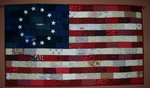
H/T to the Needlprint blog:  Unfolding Stories: Culture and Tradition in American Quilts * 24 Sept - 31 Dec 2011 * Fenimore Art Museum, New York 
………..The Quilt pictured above comes with no further details in the press handout - but I personally think it is one of those quilts you need to see before you die - it is magnificent.
I agree and would love to attend the show at the Fenimore, but alas……

Monday, September 26, 2011

CDC Recommends New Guidelines for Organ Transplantation

Updated 3/2017-- all links removed (except to my own posts) removed as many no longer active. 

There have been several cases of HIV or hepatitis transmitted via solid organ transplantation.  The CDC is recommending new guidelines which would replace the 1994 Public Health Service (PHS) Guidelines for Preventing Transmission of HIV through Transplantation of Human Tissue and Organs.  The draft guidelines is 159 pages long.  The most significant changes involve:
● expanding the guideline to include hepatitis B virus (HBV) and hepatitis C virus (HCV), in addition to human immunodeficiency virus (HIV);
● utilizing factors known to be associated with increased likelihood of HIV, HBV or HCV to identify potential donors at increased risk for transmitting infection;
● distinguishing between expected and unexpected transmission of HBV and HCV in goals for prevention; and
● limiting the focus to solid organ transplants and vessel conduits recovered for organ transplant purposes.
I am a strong proponent of organ donation, but anything we can do to improve the safety for all involved is a good thing to me.  


REFERENCES
CDC: Protect Organ Transplant Patients from Unintended Disease Transmission; September 21st, 2011;  Matthew J. Kuehnert, MD,
Director, Office of Blood, Organ, and Other Tissue Safety
Draft 2011 Public Health Service (PHS) Guideline for Reducing Transmission of HIV, HBV, and HCV through Solid Organ Transplantation (www.regulations.gov, docket CDC-2011-0011-000)

Tuesday, September 20, 2011

Grand Rounds Volume 7 Number 52

Updated 3/2017-- photos and all links removed (except to my own posts) removed as many no longer active. 

Welcome to  Grand Rounds 7:52, the weekly collection of the some of the best in online medical writing from all (doctors, nurses, patients, healthcare professionals).  Next week’s host will be ZDoggMD. His theme is Funny Medical Stuff but he will accept good submissions on almost any medical topic.  He set a deadline of September 20 (today), so don’t delay.  You can email submissions to him at zdoggmd (AT) gmail (DOT) com 

Dr. Charles, The Examining Room, ask me to remind you of the Charles Poetry Contest.  It seems the “science hordes” have actively submitted poems while the medical folk have not.  You have until September 31st to get your poems in. 
Dr. Charles submitted this particularly moving poem to Grand Rounds for your enjoyment:  A Four Minute Heaven (by Kevin Nusser)
Heaven lasts four minutes
the duration of hyperactivity
from the oxygen-deprived brain
this is my four-minute stroll
It opens with me beside the bathtub
washing Sarah’s hair, she is 6 years old
I’ve used too much shampoo to get extra bubbles
and they are running down the wall above Sarah’s hand ………….
Go read the rest of this poem and check out the other ones.
…………….
Paul Levy, Not Running a Hospital, asks a seeming simple question “What would you do?" which garnered many thoughtful comments.  If you haven’t read it, please, do and the comments too.
…………..
The post painfully aware  from PalMD, White Coat Underground, is aptly titled from so many angles.  I hope you will go read it all (photo credit):
She didn’t look well.  No one “looks well” sitting in an crowded ER, but she really didn’t look good.  At first glance from across the room I assumed her to be fairly old, how old I wasn’t sure.  Scrawled atop her clipboard in red Sharpie was ADMIT TO MEDICINE. I pulled the board and walked over to her. ……….
………….
Bongi, other things amanzi, tells us about how medicine and culture can collide in his post tangled tassels
in quite a few of the cultures in south africa people tie ribbons, strings and tassels around their own and their children's wrists and waists. these tassels are imbibed with power to keep evil spirits at bay, i am told. if these tassels come off then the patient is completely unprotected from any and all marauding evil spirits that may be lurking around. of course, not wanting to be responsible for the unopposed assault by multiple evil spirits, most people are fairly reticent to remove these things. i saw it slightly differently. …..
…………….
Henry Stern, InsureBlog, introduces a patient on the lookout for a "Competitive Oncology."
……….So what is she looking for?
Well, obviously that they "connect" on a personal level, but then she said "I want a doctor who's competitive." When I asked what that meant, her answer stunned and delighted me: ………….
Go read Henry’s post to find out the answer.  I loved it!
……………….
Movin’ Meat tells us “what health care rationing looks like”:
………….. OK, I can get behind those as non-emergency ER conditions. I'd quite like to see those folks re-routed to clinics or PCPs. But wait, there's more! Other "Non-emergent conditions" for which the state will not pay include:
Chest Pain
Abdominal Pain
………. There are many others -- these are just the most ridiculous "non-emergency" conditions that jumped out at me. It's also manifestly arbitrary and haphazard what made it onto the list and what did not. The HCA considers "Cholelithiasis with acute Cholecystitis" an emergency condition worth paying for, but "Acute Cholecystitis" is not. The state will pay for hand cellulitis, but not for the more dangerous foot cellulitis……...
…………….
Jordan, In My Humble Opinion, writes a lovely piece on a time when he had A Moment Of Clarity
Although the name on the chart was oddly familiar I couldn't place her. I was covering for a partner who was on vacation. It felt like my day would never end.
When she bopped into the office I knew immediately. We went to school together. Years ago. She sat down quietly on the exam table typing away on her mobile phone. I approached cautiously my mind musing on occupational hazards. I wondered if she would recognize me. ……….
……………
d.o.ctor writes about an observed pericardial window procedure and the irony that a big heart can mean a medical abnormality and a generous spirit:   A Window into the Heart
It's quite curious really, the expressions we use to describe a person's generous spirit can have a completely different meaning in medicine. Let me explain...
I was assigned a patient one very early Monday morning. He had arrived at the hospital with increasing shortness of breath, and upon further investigation it turned out that he had pericardial effusion. In the time leading up to the surgery, pericardial window with drainage of the effusion, …..
………………
Dr John M has been in a small rut this week. During a “rut-busting” indoor training ride (complete with some good tunes), he was inspired by the framed Hippocratic Oath hanging on the basement wall--“the one they gave me as I walked across the stage in 1989”:   The basics…
………I read it, again. There was a churn, from within. Sometimes it helps to remember the basics—the bottom line, the real meaning, the forest, not the trees or the CPT codes, or the…(many) negative things that draw our hearts, our minds, and our souls from the basics.  ………….
………..
Richard Winters, MD, Beyond the Clinical, is a first time grand rounds submitter (thank you very much).  He gives us 5 ways to Fight Bitterness and Be A Content Physician Leader (photo credit)
I was crabby.
But I didn’t know it.
Relaxing into the evening. Sitting on the couch. Reading news and checking email. Surrounded by family.
My 6yo daughter excitedly asks me something about smurfs and mermaids. I snap.
“It’s time for bed. Go brush your teeth. I need time alone. And this place is a mess.”
Then I feel guilty………….
None of us want to take the stresses and anxiety from the work place home.  Go check out his tips.
……………….
The Boerewors Emergency Medicine Chronicles wrote a remembrance post sparked by 9-11.  He lost two friends that day when the towers fell, but this post is from his days in a South Africa emergency room:  Triage
Saturday 2 July 1988.
About 17H20.
I was at work as a Charge Nurse in the Department of Emergency and Ambulatory Paediatrics aka 'Children's Casualty' , (Area 161) in the Johannesburg Hospital .
We were having a very pleasant afternoon …. reasonably quiet,a few interesting cases to keep us on our toes but mostly we were relaxed and chatting.  ……
……………..
Kim, Emergiblog, tells us how making a mistake as a teenager these days is not like it used to be; it can follow you forever: 
Somebody's Baby.
The car drifted by the ambulance entrance. The glow of the brake lights lit the corner of my eye.
Incoming.
I closed my textbook. Sigh. I was hoping for downtime.
There was activity in the parking lot. A group emerged, formed a circle and scooted rapidly through the pneumatic doors, right up to the nurses station.
They all spoke at once.
Not breathing…won’t wake up…vomited…alcohol poisoning…can’t wake her up…drinking….not breathing…oh my god…poured water on her…throwing up…called parents…voicemail…
……………
…………….
Dr. Val, Better Health, interviewed actress Meaghan Martin ( @ettejnahgaem ) who shared how she overcame "poke-a-phobia" on the #HealthyVision show:  Actress Meaghan Martin: Teenagers, Self-Esteem, And Contact Lenses  (photo credit)
…….. I was a typical nerd as a kid. I had glasses, braces, and an asthma inhaler. ……….
………………….
Steven, SteveSeay.com, discusses using prank phone calls and "intentional mistakes" as a cognitive behavioral strategy for reducing social anxiety in his post Social Anxiety Treatment:   CBT & Intentional Mistake Practice (an example)
When I was a kid, one form of mischief that was briefly popular in my neighborhood was crank calling strangers. Usually, the bravest kid in the group would pick up the phone, and with the encouragement of all the other kids in the room, would dial a random telephone number. A brief, very Bart Simpson-esque conversation would then ensue. Usually it would go something like this:
Kid: Hello, ma’am. I am conducting a brief survey for the Grocer’s Association. Do you have a minute to answer a quick question?
Stranger: Of course. How can I help you?
Kid: I was wondering if you have Sara Lee in the freezer.
Stranger: Why, yes I do.
Kid: Well then let her out!!!
We would then bust out in laughter and hang up the phone ……………….
…………….
Do you use black humor in your workplace?  Do you keep it there or do you use it in public places, including Facebook and Twitter?  There has been much discussion of this over the past week and Laika, Laika's MedLibLog, writes a post “about the inappropriate use of black humor by doctors (using terms like "labia-ward") at Facebook & Twitter”:   Medical Black Humor, that is Neither Funny nor Appropriate.  Please, go read it all.
…………….
Elaine Schattner, MD, Medical Lessons, wants us to Keep it in Focus: One in Seventy.  One in 70 is the number of women in the U.S. who develop breast cancer in their forties.  Elaine feels this “astonishingly high number gets lost in the media's mixed messages about breast cancer awareness and screening.”
…………….
Dr Ves, CasesBlog, writes Doctors are natural communicators - social media is extension of what they do every day and gives us some simple guidance for social media use
The suggested guidance for social media use by health professionals is very simple and based on a recent book by a nurse and social media advocate:
1. Remember the basics:
- your professional focus
- the laws around patient privacy (HIPAA in the U.S.)
- the professional standards of regulatory bodies and of your employers
………..
……………..
A guest post by Robert Peinert on The Sterile Eye blog asks “Is the Tide Changing?”  (photo credit)
Over the last several years, as I continue to do research for various projects, I’ve read about a growing number of Medical Photography Departments that are shutting their doors or changing their focus. Private hospitals, public community-based hospitals, and even several university-based hospitals have closed their photography and media departments in recent years. Costs and hospital/departmental needs are among the top reasons, however a more reoccurring reason is the growth of technology…….
…………….
Skeptic Scalpel (@Skepticscalpel) wants us to know “why Joint Commission hospital ratings suck”:  Joint Commission Proves It's as Irrelevant As HealthGrades
The New York Times reports that the Joint Commission has just published a list of its 405 "Top Performing Hospitals." As is typical of these types of evaluations, most of the large, well-known teaching hospitals where knowledgeable folks [like doctors] go for care when they are really sick didn't make the list. ……
………………….
Louise,  Colorado Health Insurance Insider,  tells us that Negotiating Premiums Doesn't Lower the Cost of Healthcare
………….How would it help to have health insurance exchange boards negotiating with health insurance carriers to try to lower premiums – without addressing the root problem, which is the ever-increasing cost of healthcare?  If the carriers were to agree to lower premiums, they would have to cut back on how much they spend in claims, since that’s where most of the premium dollars go (you can only trim admin costs so much).  That would mean either cutting back on benefits or paying providers less money for the work they do.  Neither of those options are just between the carriers and the exchange board.  Cutting back on benefits directly impacts the insureds, and cutting back on reimbursements directly impacts providers.  Either way, it’s not something that can be realistically “negotiated” between health insurance carriers and health insurance exchange boards.  The other major players in the healthcare industry (Pharma, hospitals, doctors, device makers, etc.) have to get involved too. ……….
……………….
Dr Ves, Allergy Notes, tells us that food-specific IgE tests aren't sufficient evidence for eliminating foods from a child’s diet
In a study of more than 100 children on food elimination diets based on positive serum IgE immunoassay results, oral food challenges (OFCs) demonstrated that most of the foods were being unnecessarily eliminated from the diet. …….
………….
Nora O’Brien-Suric, Health AGEnda blog, provides us an overview of geriatric emergency rooms in her post:  “Building a Better Emergency Department for Older People”
In an earlier post I mentioned my observations of how traumatic a trip to the emergency room can be for older people, and I promised to write about the emergence of geriatric emergency department (ED) models that provide better care for older people and can be a cost savings to the hospital. …….
…………….
Jessie Gruman, Prepared Patient Forum, talks about how Nine out of 10 of Us Like Health-Related Numbers
“My doctor can titrate my chemotherapy to the milligram but can’t tell me when I am going to die,” a friend who was struggling with his treatment for cancer complained to me a couple years ago.  ….

………….
Thank you for contributing and reading. 
Wednesday, September 14, 2011

Genetic Breast Cancers Show Up Earlier in Next Generation

 Updated 3/2017-- all links removed (except to my own posts) removed as many no longer active.

Somewhere along the line I learned to encourage women with a family history of breast cancer to begin getting mammograms at an age 10 years prior to when their mother was diagnosed and to encourage their daughters to begin getting mammograms at an age 10 years prior to when they themselves were ever diagnosed. 
I learned this prior to the discovery of BRCA genes.  It was a trend that had been noted among women with strong family histories.  The new study (see full reference below) in the journal Cancer verifies that genetic breast cancers show up earlier in the next generation – on average by 8 years.
The study from MD Anderson looked 2 generations of families with the BRCA gene to assess the age at diagnosis.  Using the pool of 132 BRCA-positive women with breast cancer who participated in the high-risk protocol at The University of Texas MD Anderson Cancer Center (Gen 2), 106 women could be paired with a family member in the previous generation (Gen 1) who was diagnosed with a BRCA-related cancer (either breast cancer or ovarian cancer).
The median age of cancer diagnosis was 42 years (range, 28-55 years) in Gen 1 and 48 years (range, 30-72 years) in Gen 2 (P < .001). In the parametric model, the estimated change in the expected age at onset for the entire cohort was 7.9 years (P < .0001). Statistically significant earlier ages at diagnosis also were observed within subgroups of BRCA1 and BRCA2 mutations, maternal inheritance, paternal inheritance, breast cancer only, and breast cancer-identified and ovarian cancer-identified families.
It is reasonable to encourage these women with significant family history of breast cancer to begin surveillance at an earlier age than the general population. 


REFERENCE
Earlier age of onset of BRCA mutation-related cancers in subsequent generations; Litton JK, et al;  Cancer 2011; DOI: 10.1002/cncr.26284.
Breast Cancer Patients With BRCA Gene Diagnosed Almost Eight Years Earlier Than Generation Before; Science Daily, September 12, 2011
Mom's Cancer Shows Up Earlier in Daughters; Michael Smith, Dori F. Zaleznik, MD; MedPage Today, September 12, 2011

Tuesday, September 13, 2011

Shout Outs

Updated 3/2017-- photos and all links removed (except to my own posts) removed as many no longer active.

There were no takers for hosting this week’s Grand Rounds.  If you would like to be a future host:
… Send an email to Nick Genes (you can find his contact info at blogborygmi.com) and request to be considered as a future host. Include a link to your blog. Host bloggers must have been blogging regularly for at least 6 months, have a health theme, demonstrate good writing skills, professionalism, and respect for scientific medicine. If your blog meets those requirements (and is approved by Nick or Val) they’ll contact you via email to schedule your host date.
If you missed last week’s edition, then check it out.  Dr. Rich, Covert Rationing,  was the host. You can read last week’s edition here.
ZDoggMD will be hosting on September 27th. His theme will be Funny Medical Stuff but he will accept good submissions on almost any medical topic.  You can email submissions to him at zdoggmd (AT) gmail (DOT) com
……………………………
Dr. Charles is “Calling for Entries in the 2011 Charles Prize for Poetry Contest.”
Announcing the second annual Poetry Contest!
An award will be given to the writer who submits for consideration the most outstanding poem within the realm of health, science, or medicine. ……….
The contest began Wednesday August 31st and ends September 31st, 2011. The winners will be chosen shortly thereafter by an elite group of 8 judges (other doctors, friends with literary training, and select bloggers).  The contest is open to everyone.
…………………………
In case you missed it, I just want to point you to this lovely post by @doctorwes:  The Flywheel
(With apologies to Harry Chapin)
"Welcome to BA Cardiology Associates, young doctor, we're thrilled you've decided to join us. As you recall, we guarantee your salary for the first several years then when you're practice is established, your salary will be proportional to your productivity. Oh, and if you need anything, just let us know."
A child arrived just the other day. He came to the world in the usual way...
"I had the most amazing case today! His heart rate was so slow..."
"Doctor, we're impressed at how things are going."
He learned to walk while I was away...
"Thanks for helping out……
………………………………………..
Kim, Emergiblog, is the host of the latest edition of Change of Shift (September 2011)! You can find the schedule and the COS archives at Emergiblog. (photo credit)
Welcome to the September, 2011 edition of Change of Shift!
This is quite the eclectic selection of posts from across the nursing blogosphere, composed of those submitted for inclusion and those I found in my travels through the neighborhood.
Remember, submissions are always accepted for Change of Shift, there is never a deadline to meet, so don’t hesitate to submit a post at any time.
Let’s begin! …………………….
…………………………………
H/T to @scanman for retweeting this “@JenniferAdaeze: I helped found a Journal of #NarrativeMedicine theintima.org follow @the_intima & spread the word :) #meded”. 
It will be interesting to follow The Intima, a Journal of Narrative Medicine.  There are sections for poetry, fiction, non-fiction, and art inspired by medicine.  Check out this fictional story by Dana Gage about a medical student struggling with a dying child:  Nightwatch
Rane entered the room hesitantly; she didn’t want to enter at all; she had pleaded with the intern and then to the resident, who just shook his head and said it wasn’t up to him. The Chief Resident had ordered, had insisted upon it, that she see this particular child, work her up. …………
…………………………………………….…………………..
H/T to @evidencematters who alerted me to this Guardian article by Patrick Barkham:  Nazis, needlework and my dad (photo credit)
Not many men belong to a stitching group, but Tony Casdagli picked up his enthusiasm for the craft from his father, who kept himself sane by fashioning subversive messages as a PoW  ………….

Tuesday, September 6, 2011

Shout Outs

Updated 3/2017-- photos and all links removed (except to my own posts) removed as many no longer active. 

Dr. Rich, Covert Rationing,  is the host for this week’s Grand Rounds. You can read this week’s edition here.
While Grand Rounds is normally the highlight of everybody’s week here in the medical blogosphere, this time it’s different. …………..
But be assured that there is good stuff to follow. So, if you find yourself incapable of focusing your attention on Grand Rounds at the moment, simply bookmark this page, and return to it once your sense of soaring happiness returns (as it inevitably must) to a more normal state. Be assured that this week’s entries are timeless enough to outlive your ecstasy (an emotion which – alas! – to be effective, must always be transient).
So let us begin.  ………
……………………………
Dr. Charles is “Calling for Entries in the 2011 Charles Prize for Poetry Contest.”
Announcing the second annual Poetry Contest!
An award will be given to the writer who submits for consideration the most outstanding poem within the realm of health, science, or medicine. ……….
The contest began Wednesday August 31st and ends September 31st, 2011. The winners will be chosen shortly thereafter by an elite group of 8 judges (other doctors, friends with literary training, and select bloggers).  The contest is open to everyone.
…………………………
Fellow blogger Margaret Polaneczky, MD, TBTAM, is one of the authors of the American Academy of Pediatrics Textbook of Adolescent Healthcare!  She writes:
I wrote the chapter on contraception, but it’s just a teeny-tiny piece of this amazingly comprehensive text, available either in hardcopy or as an e-book from the AAP Bookstore.
Great work, Peggy!
…………………………………
H/T to @doctorwes for tweeting this:  “One to bookmark: a website that manages medical expenses simplee.com”
The site looks like it would be very helpful in keeping track of medical expenses, especially from multiple sources (doctors, hospitals, labs, etc).  I plan to bookmark it and look at it closer.
…………………………………………….
H/T to @hrana for the link to this Scientific American article by Larry Greenemeier:  Medical Mystery: How can some people hear their own eyeballs move?  (photo credit)
It sounds like something out of an Edgar Allen Poe tale of horror. A man becomes agitated by strange sounds only to find that they are emanating from inside his own body—his heart, his pulse, the very movement of his eyes in their sockets. Yet superior canal dehiscence syndrome (SCDS) is a very real affliction caused by a small hole in the bone covering part of the inner ear. Such a breach results in distortion of hearing and, often, impaired balance.   …………….
……………………………….…………………..
I stumbled upon a new-to-me quilting blog – A Quilting Life – by Sherri.  Here is a recent post: Quilt in a Day! (photo credit)
I wonder how many of us started quilting with Quilt in a Day quilts by Eleanor Burns.  I know I made about 8 quilts from her Double Irish Chain book before feeling confident enough to try other patterns. (I happened to get on an elevator with her at Spring Quilt Market, and  thanked her profusely for her inspiration during my quilting beginnings--she probably thought I was crazy; I kept going on and on about all the quilts I made from her patterns those first couple of years)!  Anyway, because of procrastination I needed to make a baby quilt in a day.  And I had just a jelly roll and yardage for backing.  ………….

Tuesday, August 30, 2011

Shout Outs

 Updated 3/2017--photos and all links removed (except to my own posts) removed as many no longer active.

Health 3.0 Blog  is the host for this week’s Grand Rounds. You can read this week’s edition here.
Welcome to this week’s edition of Grand Rounds. You can find the medical blogosphere’s best next week at Covert Rationing.
We’ve taken a different approach this week to organizing Grand Rounds. You can find all the submissions below in this post. But, we’ve also selected quotes from each blog and highlighted those on the main page. Consistent with our themes, we’ve also tagged all the posts related to health, happiness, design or innovation. You can search for these tags to see how each theme plays out. We’ve also added bits of commentary to some of the individual quotes and summaries - especially when we’ve read something recently that relates to the general topic or idea………
……………………………
I was aware of this new children’s book "Maggie Goes on a Diet" (I haven’t gotten to read it, but title makes me feel focus is wrong. Should be focused on eating healthy diet.), but @LindaP_MD’s tweet alerted me to a nice interview @drclaire did with @BridgetBlythe on @NECN about the book:  Talking to kids about weight, obesity


…………………………
Did you see the interview Albert Schweitzer (@SchweitzerASF) did with @docgurley?  --“The Addictive Power of Spending One’s Days Doing Something Worthwhile”: Five Questions for a Fellow with Jan Gurley, MD
Since 1979, ASF’s Lambaréné Schweitzer Fellows Program has selected senior U.S. medical students to serve clinical rotations as junior physicians at the iconic Schweitzer Hospital in Lambaréné, Gabon, Africa—the region’s primary source of health care since Dr. Albert Schweitzer founded it in 1913.
Jan Gurley, MD is one of those Fellows. ……….
…………………………………
Check out the interview of @drkt at OnSurg.com:  Featured Surgeon, late summer 2011
First-year surgery resident Dr Katie has been sharing her educational experience online since undergraduate school. OnSurg is grateful for her participation in our Q & A:
What’s your story?
I first knew I wanted to be a doctor my senior year of high school (was going to go into Forensics from 7th-12th), and was told I’d never make it and that I’d change my mind. I knew what I wanted and wanted to prove people wrong at the same time. It wasn’t until the summer after my junior year that I actually had the chance to be in the hospital. When that time came, I knew that medicine was right for me.  ………….
…………………………………………….
H/T to @DrSnit tweeting this:  “Monsters in the Dark by @chemo_babe bit.ly/reZDOi Parenting through cancer. "I don’t want to be the little boy whose mommy died.”   I hope you will go read the entire post.
…………….He grew earnest.
“But your heart will stop beating when you die. You can’t have love without a heart.”
“Love doesn’t just live in my heart. My love for you will continue on in your heart.”
Then he burst into tears and threw his arms around my neck.
“Mommy, I don’t want to be the little boy whose mommy died.”
I embraced him, stunned into silence. I looked for words of comfort. …………….
………………………………..
H/T to @sandnsurf for finding and posting these “highly inappropriate adverts”:  High quality adverts (photo credit) 
……………………………………………..
H/T to @BiteTheDust  for the link to this news article:   13 yr old designs breakthrough solar array based on Fibonacci sequence.
Plenty of us head into the woods to find inspiration. Aidan Dwyer, 13, went to the woods and had a eureka moment that could be a major breakthrough in solar panel design. ………
You can read Aidan’s award-winning essay here, which walks you through his experiment design and his results. But the short story is that his tree design generated much more electricity — especially during the winter solstice, when the sun is at its lowest point in the sky. At that point, the tree design generated 50 percent more power, without any adjustments to its declination angle. …………..
……………………………………..
The International Quilt Festival Summer 2011 Newsletter has a very nice tutorial for making a Patchwork/Purse Tote (pdf).  (photo credit)

Monday, August 22, 2011

Time for New Journal Subscription Model

I like open access, but I’m realistic.  The big journals (NEJM, JAMA, society journals, etc) aren’t likely to go that route anytime soon though more of them are making select articles available in full for limited time periods.
I have been thinking of the current subscription model more and more as my print journals stack up in my office and I read the articles online.  It has really been in my thoughts as I am closing my practice and have had to decide what to do with all the journal volumes accumulated over the past years.
Currently, subscription to a journal (ie my PRS journal) gives me both a print copy and the online access.  The online access allows me to search all years of the journal, even those prior to my subscription.  I love this.  I no longer go to the print indexes to search for a topic or article.  I lose this access if I cancel the subscription.
What I propose is a subscription model that would allow the subscriber to chose online access only without receiving the print version.   I would like this subscription model to allow the subscriber long term online access to the years (ie 1990 to 2015) of active subscription.
I believe it is possible to create a database of subscribers and years of full subscription so that this would be possible.   I also think the publishers savings from the mailings and print could be put towards keeping up this database.
Note, I am not asking for continued full access to all the old and any new journal volumes.  Just the ones I would have access to if I kept all the print volumes, but with this new model I would not have a storage problem of 20 plus years of not just one journal but several.
Anyone else have any thoughts on this model? 
…..
By the way, I’ve decided to just recycle the print copies of the journals I have.  I don’t have room at home and don’t want to end up being an episode of Hoarders.  I will continue my subscriptions as a way to keep current as I will continue to need CMEs.

Thursday, August 18, 2011

Role Playing to Learn Communication

Updated 3/2017-- all links (except to my own posts) removed as many no longer active. 

I was alerted to this Archives of Surgery article (full reference below) by MedPage Today:  Role Playing Boosts Surgical Residents' Bedside Manner.
I find it intriguing.  Role playing gives you a chance for a “do-over” when you make a social or communication faux pas. 
So much of medicine is communication.  Those of us who have been at it for years, deliver bad news differently (learned the hard way) now than we did previously.  You choose your words more carefully (though I still occasionally screw up).  Some words are more emotionally charged than others.  Some patients want more information than others. 
The University of Connecticut Health Center conducted a prospective study  of a pilot projected designed to  teach surgical residents patient-centered communication skills.
The study offered 44 general surgery residents the opportunity to participate in the three-part patient communication curriculum: A pre-test, training, and a post-test.  Only 30 completed all three parts.
The pre-test assessed general communication skills awareness of the resident while he/she delivered a new diagnosis of either breast or rectal cancer to a patient. The evaluation was done by a standardized patient instructor.
The training portion required residents to attend a 90-minute workshop that involved a lecture from a professor of surgery and formal instruction from the director of the center's clinical skills program, followed by a 30-minute role-playing session.
The post-test assessment re-evaluated the residents by the standardized patient in a crossover fashion (those who previously participated in a breast cancer diagnosis now participated in a rectal cancer diagnosis and vice versa).
The study authors concluded:
Residents' assessment of their patient communication skills indicates that there is an immediate need for a formal educational curriculum. Our results show that case-specific improvements seem more amenable to measurable improvement than general communications skills, at least with the limited short-term training that we used. Such skills can be assessed over a longer period, perhaps by incorporating this model and assessments from year to year.
Surgical and nonsurgical residency programs will benefit by helping residents incorporate patient needs and opinions into the care team's decision-making process. Principles such as emotional support, transition and continuity of care, provision of information and education, involvement of family and friends, and respect for patient values and preferences will form the basis of our educational series.


REFERENCE
Pretraining and Posttraining Assessment of Residents' Performance in the Fourth Accreditation Council for Graduate Medical Education Competency: Patient Communication Skills; Rajiv Y. Chandawarkar; Kimberly A. Ruscher; Aleksandra Krajewski; Manish Garg; Carol Pfeiffer; Rekha Singh; Walter E. Longo; Robert A. Kozol; Beth Lesnikoski; Prakash Nadkarni; Arch Surg. 2011;146(8):916-921.

Tuesday, August 16, 2011

Suture for a Living to Host Grand Rounds

I’ll be your host next Tuesday, August 23rd, for Grand Rounds Volume 7 Number 48.   It will be my fifth time as host of this the weekly compilation of the best of the medical bloggers.  I have no specific theme in mind, but if you need a “spark of a suggestion” think of  changes:  schools are back in session, football season will soon begin, and there is just a hint of fall with no more triple digit weather here in the south.   Now apply that to medicine/surgery.

Submissions should be recent.  Please, only submit one (your best) post per blog.  Submissions are welcome until noon (CST) Monday August 22. 

Send an email to me ---  rlbatesmd(at)gmail(dot)com  ---   with Grand Rounds in the subject line.  Please help me out by including your site name, site url, your post  title, post url, your name and a sentence or two about why you think your submission is great. 


In the meantime check out my previous four editions:

Grand Rounds 4:33 (May 6, 2008)

Grand Rounds Vol. 5 No. 52 (September 15, 2009)

Grand Rounds Vol 6, No 26 (March 23, 2010)

Grand Rounds Vol 7 No 20 (February 8, 2011)

Shout Outs

Dr. Pullen  is the host for this week’s Grand Rounds. You can read this week’s edition here (photo credit).

I think I learned my lesson this time.  The first two times I hosted Grand Rounds many of the posts seemed to come from happy bloggers.  I think the lesson this time is don’t be a host when all the news is bad.  Maybe it’s the drought and heat wave in much of the U.S.  Or maybe using the words of Bill Clinton “It’s the economy, Stupid.”  For whatever the reason this week’s Grand Rounds is dominated by rants and whines from bloggers around the globe.  ………  To try to have some fun with emotions I decided to try to draw a sketch to give you an idea of the mood of the writer:

Dr Bates gets first position since she is hosting Grand Rounds next week.  She breaks the trend too in not being upset or angry.  She writes at Suture for a Living wondering How old is too old for cosmetic surgery?  Her answer?    ……….

……………………………

Interesting ethical question posed by the MedPage Today article by Mikaela Conley:  Harvesting Dead Girl's Eggs Raises Ethical Issues

An Israeli court has granted permission for family members to extract and freeze the eggs of its 17-year-old daughter, who died earlier this month in a car accident, according to the Israeli English-language website Haaretz.  ……..

"Ethically, the important issue is not whether the woman would have wanted children," said Rosamond Rhodes, director of bioethics education at Mount Sinai School of Medicine in New York. …..

Instead, Rhodes said the critical issue is whether Chen would have wanted her biological children to come to life after she was dead.  ……….

The comments are interesting, also.  Personally (remember I don’t have any children, unable to get pregnant), I don’t think it would be a good idea.  I lost my father when I was 8.  I can’t imagine being a mother-less child.

…………………………

H/T to @Skepticscalpel for the tweet  which linked to this NY Times Health article -- “Beautifully written by a patient’  --  Opinion: I Won’t Have the Stomach for This

I AM a ravenous, ungraceful eater. I have been compared to a dog and a wolf, and have not infrequently been reminded to chew. I am always the first to finish what’s on my plate, and ever since I was a child at my mother’s table, have perfected the art of stealthily helping myself to seconds before anyone else has even touched fork to frog leg. My husband and I have been known to spend our rent money on the tasting menu at Jean Georges, our savings on caviar or wagyu tartare. We plan our vacations around food — the province of China known for its chicken feet, the village in Turkey that grows the sweetest figs, the town in northwest France with the very best raclette.

So it was a jarring experience when, a few months ago, at 36 years old, I learned I had stomach cancer.   ……….

…………………………………

H/T to @EvidenceMatters for the link to another article on food and a human’s relationship to it (as EM put it: Read it: it probably isn't what you think.)  by @fatnutritionistIf only poor people understood nutrition.

It seems like some people are constantly wringing their hands about how poor people eat (to wit: badly.) And the most popularly proposed solution is to teach them (“them”) more about nutrition! Or educate them in general.……….

Here comes the part where I bust up that nice, warm bubble bath. ……..

Because getting enough to eat is always our first priority.  …………….

………………………………..

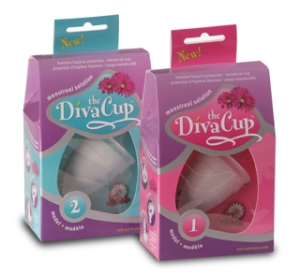
A nice post from @DrJenGunter: What is a menstrual cup and why should I use one? (photo credit)

A menstrual cup is exactly what you think it is: a cup to catch menstrual fluid. The concept has been around since the 1930’s, but has recently become more popular. Some cups are made of rubber, but allergies to latex and other components of rubber are increasingly more common so the best option is a cup made of medical grade silicone, which is hypoallergenic………….

……………………………….

An informative post from @drfiala, PSB - the Orlando plastic surgery blog:   New side-effects from Propecia? (photo credit)

For those users of Propecia - used for hair loss in men, and Proscar - used for the treatment of benign prostatic hypertrophy (BPH) in men, here is a new concern raised by Health Canada, which is the Canadian version of the FDA.

Apparently, prescription drugs Propecia and Proscar seemed to be linked to rare cases of male breast cancer. ……….

……………………………………..

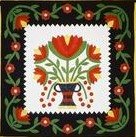
Isn’t this just an absolutely beautiful quilt?!!!  I don’t know much about it.  It was shared with me on Google+ by Alex Veronelli


Monday, August 15, 2011

Management of Latex Allergic Surgical Patient

Updated 3/2017-- all links (except to my own posts) removed as many no longer active. 

A couple of nice articles recently on latex allergy have crossed my path – one in a journal I subscribe to (Aesthetic Surgery Journal) and the other via twitter and @Allergy  (Ves Dimov, M.D., blogs at Allergy Notes).  I’ve put both full references below.
Latex allergy became widely recognized in the late 1980s and early 1990s.  The increase in latex allergies cases is felt to be associated with the increase use of latex gloves and implementation of universal precautions (now known as standard precautions) in the 1980s.
Management of possible or confirmed latex allergic patients begin with history and suspicion:
All patients who present for surgical procedures or exams which require latex gloves (pelvic exam, dental exams, etc) should be questioned about possible latex allergy.
Patients at highest risk include those who have a history of multiple surgeries (especially for urogenital abnormalities which may require frequent urinary catheterizations), allergic disease, or spina bifida, or who are employed in occupations with inherent latex use (ie, healthcare workers).
If an individual patient notes a history of food allergies (atopy), pay special attention if those foods include banana, kiwi, avocado, or stone fruits like cherries or peaches which are associated with latex allergy.
Regardless of the cause, the presence of hand dermatitis is a risk factor for developing latex allergy among healthcare workers

Confirmation of latex allergy is achieved through laboratory testing.  Dr. Dimov has a nice post which explains this:  Latex Allergy - ACAAI Video
Confirmation should be done if there is time.  If not, then proceed as if the patient is latex allergic.

Here’s my check list:
1.  When I schedule the procedure, I inform the facility so they can prepare using their own check list (ie special cleaning of room and anesthesia equipment, pulling of latex free supplies, labeling room as latex-free, etc).
2.  I schedule latex-sensitive/allergic patients as the first case of the day.  This assumes it is an elective case and not an emergency.
3.  If I need girdles or other postoperative garments, I make sure they are latex-free when I order them.
……
The second article (the one from Dr. Dimov) takes a look at hospital policies which ban the use of natural rubber latex (NRL) devices and whether they may be an overreaction.
Their conclusions (bold emphasis is mine):
With the reduced incidence of allergic reactions, the availability of specific and sensitive testing for the selection of low-allergen gloves, competitive costs and lower environmental impact, NRL remains an excellent choice of material for medical gloves and should continue to be used.
In recent years, a number of high profile institutions have moved to a totally NRL-free environment, including gloves. However, the evidence within Europe demonstrates that the many benefits of NRL can be retained by purchasing low-allergen, low-protein and powder-free gloves, thereby reducing the risk of type I and type IV sensitization as well as allergic reactions.
NRL gloves are characterized by a high level of barrier performance for staff and patients, good comfort allowing staff to perform safely and efficiently, and competitive pricing in a period of economic difficulty. NRL is an environmentally sustainable material, which is also naturally biodegradable, enabling hospitals to meet their ‘green’ purchasing requirements.
Finally, compared with various synthetic materials, NRL is generally better accepted by the clinicians. There will, of course, be a continuing requirement for synthetic gloves for known latex-allergic patients and staff, and for these purposes several options are currently available. In conclusion, we believe that a sensible balance requires a mix of latex and synthetic gloves.


REFERENCES
Recognition and Management of the Latex-Allergic Patient in the Ambulatory Plastic Surgical Suite;  Deborah Accetta and Kevin J. Kelly; Aesthetic Surgery Journal July 2011 31: 560-565, first published on June 1, 2011 doi:10.1177/1090820X11411580
Latex Medical Gloves: Time for a Reappraisal; Palosuo T, Antoniadou I, Gottrup F, Phillips P; Int Arch Allergy Immunol 2011;156:234-246 (DOI: 10.1159/000323892)

Tuesday, August 9, 2011

Shout Outs

Updated 3/2017-- photos and all links (except to my own posts) removed as many no longer active. 

Dr. Deb Serani is the host for this week’s Grand Rounds. You can read this week’s edition here (photo credit).
Grand Rounds is a weekly round up of the best health blog posts on the Internet. Each week a different blogger takes turns hosting - me this time around - and summarizes the submissions of the week.
As a music lover, I thought I'd give Grand Rounds a vintage vinyl feel. So please make sure your phonographs are ready to go. Thanks to Dr. Val Jones and Dr. Nick Genes for the invite.   ……….
……………………………
I had already read this MiM post by Cutter (surgery resident), Not just us anymore, before @MotherinMed tweeted
Perfect companion reading to last MiM post: Bringing Out the Mother in All of Us. (by @paulinechen) http://nyti.ms/rdrxia
She is so right. I don’t think it matters which order you read them in, but I go read both of them.
…………………………
H/T to @MotherinMed for tweeting the link to this NY Times op-ed piece written by Dr. Ezekiel Emanu: Shortchanging Cancer Patients
RIGHT now cancer care is being rationed in the United States.
Probably to their great disappointment, President Obama’s critics cannot blame this rationing on death panels or health care reform. Rather, it is caused by a severe shortage of important cancer drugs.
Of the 34 generic cancer drugs on the market, as of this month, 14 were in short supply. ……….
…………………………………
H/T to @krupali and @paulinechen for the link to the Slate article by Meghan O'Rourke and Leeat Granek: How To Help Friends in Mourning -- Condolence notes? Casseroles? What our grief survey revealed. (bold emphasis is mind)
……….The most surprising aspect of the results is how basic the expressed needs were, and yet how profoundly unmet many of these needs went. Asked what would have helped them with their grief, the survey-takers talked again and again about acknowledgement of their grief. They wanted recognition of their loss and its uniqueness; they wanted help with practical matters; they wanted active emotional support. What they didn't want was to be offered false comfort in the form of empty platitudes. Acknowledgement, love, a receptive ear, help with the cooking, company—these were the basic supports that mourning rituals once provided …….
………………………………..
Medgadget’s post, Animated Anatomies Exhibition of Historical Anatomy Flap Books, prompted me to ask @UAMSlibrary (my medical school) if they had any of them. They replied they would check and get back to me. And they did (photo credit):
Historical Anatomy Flap Books at UAMS http://on.fb.me/plDXqw (cc: @rlbates)
I think I may have to find the time to go look at the ones here locally.
……………………………….
H/T to @DrVes for the link to the article on Computer Vision Syndrome [INFOGRAPHIC]. From the piece comes this good advice – remember the 20-20-20 rule. Every 20 minutes take a 20 sec break to look away from the screen at something 20 feet away.
……………………………………..
CNN reporter Matt Sloane is following Diana Nyad’s swim from Cuba to Florida -- Nyad: Today's swim shows 60s 'not too late' for goals (August 8, 2011)
Editor's note: CNN alone will be in the support boats with Diana Nyad on her attempt to swim from Cuba to Florida. @MattCNN will be Tweeting live. CNN.com and The Chart will have a position tracker.
(CNN) -- Diana Nyad's personal test has begun. At 7:45 p.m. ET she jumped into the water and began her 103-mile swim between Cuba and Florida. ……….
………………………….
Why Quilts Matter: History, Art & Politics is a nine-part documentary series which will be available to PBS stations nationwide this fall.  I sure hope my local station carries it.

"Why Quilts Matter: History, Art & Politics" - Independent Production from The Kentucky Quilt Project, Inc. from The Kentucky Quilt Project, Inc. on Vimeo.

Monday, August 8, 2011

Review of NSAIDs Effects & Side Effects for Arthritis Pain

Updated 3/2017-- all links (except to my own posts) removed as many no longer active. 

Recently I gave in and went to see a rheumatologist after more than 3 months of intense morning stiffness and swelling of my hands (especially around the PIPs and MCPs) and wrists which improved during the day but never went away.  It had gotten to the point where I could no longer open small lid jars (decreased strength), do my push-ups or pull ups (pain and limited wrist motion), and OTC products (Tylenol, Advil, etc) weren’t working.  I can’t take Aleve due to the severe esophagitis it induces.  I didn’t want to write a prescription for my self-diagnosed (without) lab arthritis.
BTW, all the lab work came back negative with the exception of a slightly elevated sed rate and very weakly positive ANA.  The rheumatologist was impressed with the swelling, pain, and stiffness and was as surprised as I by the normal lab work.  He thinks (and I agree) that I am in the early presentation of rheumatoid arthritis.  He wrote a prescription for Celebrex and told me to continue with the Zantac I was already taking (thanks to the Aleve).  The Celebrex is helping.
So I was happy to see this article (full reference below) come across by twitter feed.  H/T to @marcuspainmd: Useful review of NSAIDs effects & side effects for arthritis pain http://cot.ag/oHxQDX
A major disadvantage of NSAID use is the gastrointestinal side effects. These range from abdominal pain, nausea, diarrhea, and dyspepsia to more serious events, such as gastric or duodenal ulcers, anemia, and bleeding, or perforated ulcer. These side effects are due to the simultaneous inhibition of COX-1 and COX-2.
As many as 25% of chronic NSAID users will develop ulcer disease
2%–4% will bleed or perforate, especially those who have been designated as being in a high-risk category
The overall risk for these complications in patients taking NSAIDs was approximately 2.4.
High-risk patients are those with a history of complicated peptic ulcer disease or multiple (at least two) risk factors; moderate-risk patents are those with one to two risk factors, ie, age 65 years, high-dose NSAID therapy, previous history of an uncomplicated ulcer, concurrent use of aspirin (including low-dose), corticosteroids, or anticoagulants; and low-risk patients are those with no risk factors.
The two methods employed to prevent the development of peptic ulceration and mucosal injury in patients taking NSAIDs:
(1) prophylaxis with a proton pump inhibitor or a prostaglandin analog (such as misoprostol) or high-dose histamine 2-receptor antagonist (H2RA)
(2) with substitution of a traditional NSAID by a COX-2 inhibitor
The article on ulcer formation in COX-2 (Celebrex) vs NSAIDS:
Goldstein et al14 determined gastroduodenal damage
from endoscopy after 4, 8, and 12 weeks of treatment with celecoxib 200 mg twice daily or naproxen 500 mg twice daily in 537 patients with osteoarthritis or rheumatoid arthritis.
The cumulative incidence of gastric and duodenal ulceration for celecoxib was 9% and for naproxen was 41%. In the group that received celecoxib, the occurrence of ulcers was significantly associated with a number of factors, including H. pylori positivity, concurrent aspirin usage, and a history of ulcers.

It’s a really nice review article and is open source.


REFERENCES
Combination therapy versus celecoxib, a single selective COX-2 agent, to reduce gastrointestinal toxicity in arthritic patients: patient and cost-effectiveness considerations;  Marina Scolnik, Gurkirpal Singh; Open Access Rheumatology: Research and Reviews 2011:3 53–62